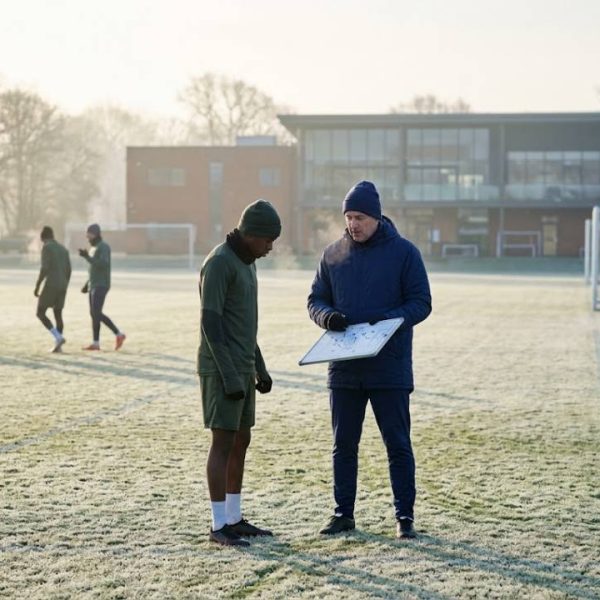
Ukrainian football has always produced talent. Strikers, playmakers and goalkeepers from Kyiv, Donetsk, Dnipro and Lviv have starred in Italy, Spain, England and Germany for decades. Since the full-scale invasion in 2022, that flow has become a flood. Players, coaches and entire youth squads have moved abroad, some permanently, some while the Ukrainian Premier League continues under extraordinary conditions at home.
For the clubs that welcome them, talent is only the starting point. Language, paperwork and wellbeing decide whether a new arrival thrives or struggles.
A new wave of arrivals
When the war began, European clubs and federations stepped in quickly. FIFA introduced temporary rules allowing foreign players in Ukraine to suspend contracts and move. Youth academies abroad took in teenage players, sometimes with their mothers and siblings. Senior internationals signed for clubs across the continent.
Suddenly, clubs from Poland to Portugal needed to communicate with Ukrainian players in a hurry, often with no staff who spoke the language.
Contracts and registration
Every transfer or loan generates legal documents: employment contracts, federation registrations, work permits and residence applications. Many of the player's own records, from birth certificates to previous contracts and school reports for youth players, are in Ukrainian.
Clubs rely on professional ukrainian to english translation to prepare registration files for leagues and immigration authorities. A single mistake in a name spelling or date of birth can delay registration by weeks and keep a player out of matchday squads.
Transfer windows leave no room for slow paperwork, which is why clubs under deadline pressure need translation services that deliver accurate documents fast. When a signing must be registered before a squad deadline, experienced linguists working with translation memory can turn around contracts and certificates in days without letting errors slip through. A provider that pairs speed with a proper review process keeps players eligible and clubs compliant. In football, as in business, a fast translation that is wrong helps no one.
Medical records
Medical files deserve special care. Previous injuries, surgeries and rehabilitation notes must be understood exactly by the new club's doctors. An experienced ukrainian translator with medical knowledge ensures that nothing is lost between a physio's notes in Kharkiv and a medical team in Manchester.
Life off the pitch
For players arriving from a war zone, the challenges go far beyond football. Families need housing, school places, healthcare and legal status. Children must adapt to new classrooms, and parents to new bureaucracies.
Clubs that do this well assign a welfare officer, provide interpreters for the first weeks and translate key information into Ukrainian: training schedules, club rules, emergency contacts, tax guidance. The faster a player's family feels secure, the faster the player can focus on performance.
In the dressing room
Many Ukrainian players speak some English, and younger ones often learn fast. Coaches still use interpreters for tactical sessions in the first months, because a misunderstood instruction about pressing triggers or marking can cost a goal.
Some clubs have gone further and offered language lessons to the entire squad, so teammates can learn a few Ukrainian phrases too. Small gestures like that build trust quickly.
Communication with fans and media
Ukrainian players abroad often become symbols, and their clubs receive huge attention from Ukrainian media and fans. Press releases, interviews and social posts are translated into Ukrainian to reach supporters back home. Clubs managing content in several languages increasingly use an online translation management system so that every channel receives accurate, consistent versions at the same time.
The flow works in both directions. Interviews given in Ukrainian must be rendered into English for international audiences, and an english ukrainian translator helps clubs avoid awkward misquotes that spread online within minutes.
Moves to French-speaking clubs
Some Ukrainian players have landed in France, Belgium or Switzerland, where French is the club's working language. In those cases, contracts and club documents may need to move from English into French as well. Clubs commission english to french translation services so that agents, players and league officials all work from matching versions.
Youth players and education
Teenage players bring an extra layer of responsibility. Clubs must ensure schooling continues, guardianship arrangements are clear and welfare rules are followed. School reports, certificates and parental consent forms all need translating. Academies that handle this carefully earn the trust of families and federations alike.
Coaches and staff on the move
It is not only players who have relocated. Ukrainian coaches, analysts, physiotherapists and scouts have joined clubs and federations across Europe. Their expertise is valuable, but their qualifications, coaching licences and references must be recognised in their new country. That means translated diplomas, licence certificates and employment records, often checked by national federations before a coach can sit on the bench.
Getting those documents right early saves months of frustration and lets experienced professionals contribute from their first week at a new club.
Lessons for clubs
- Prepare translated welcome packs before players arrive
- Use professional translators for contracts, medicals and registrations
- Provide interpreters for tactical meetings in the first months
- Support families with housing, schooling and legal status
- Keep communication with Ukrainian fans consistent and respectful
Stories of resilience
Many Ukrainian players abroad have become fan favourites, admired for their commitment and for carrying their country's flag in difficult times. Their success stories share a common thread: clubs that took language and welfare seriously from the first day.
Final thoughts
Football is a universal language on the pitch, but contracts, medical files and everyday life are not. For Ukrainian footballers building careers abroad, good translation and genuine support can make the difference between surviving and thriving. The clubs that understand this get more than a new signing. They gain a loyal player and a new community of fans.